Showing posts with label women health. Show all posts

Thursday, 12 December 2013

What is Urethritis?

Urethritis is the inflammation and swelling of the urethra - the narrow tube that carries urine from the bladder out of the body.
Urethritis is caused by either a bacterium or a virus - it is classed as either gonococcal urethritis which is caused by Neisseria gonorrhoeae, or non-gonococcal urethritis (NGU), caused by Chlamydia trachomatis - one of the most common sexually transmitted diseases affecting both men and women.
The most common viral causes of urethritis are herpes simplex virus and cytomegalovirus.
The main symptom of urethritis is difficulty urinating and painful urination. Urethritis is typically treated with antibiotics.


Saturday, 7 December 2013

Miscarriage


Suffering a miscarriage is one of the most devastating things that can happen to a woman, and to her partner. Many women conceive easily and are not emotionally or physically prepared for the shock of losing a baby. To make it worse, there are often complaints that the medical profession lack sympathy, and investigations into the cause are normally not even considered until you have suffered three miscarriages.

It may seem a callous approach, but the reason for this response is simply that miscarriage is extremely common. In fact, one in four pregnancies end in miscarriage, usually before the twelfth week of pregnancy. Many women miscarry without having been aware that they were pregnant. Nevertheless, if you do suffer a miscarriage, no amount of reassurance that it is ‘normal’ or ‘common’ can ease the pain.

Fibroids

Fibroids (also called myomas) are non-cancerous growths in or on the muscular wall of the womb (the myometrium). They can vary in number and size, according to the individual. Doctors will refer to the size of a fibroid in terms of a developing baby that size – in other words, 12 weeks. Some fibroids can be as small as a pea, but others can be as large as a seven- or eight-month-old foetus.

Fibroids are given different names depending on where and how they grow:

  • Submucosal fibroids grow on the inside of the womb and extend into the uterine cavity.
  • Intramural fibroids grow within the uterine wall (the wall of the womb).
  • Subserol fibroids grow on the outside of the womb, on the lining between the uterus and the pelvic cavity.
  • Penduculated fibroids can be attached either to the inside or outside wall of the womb, and they are characterised by a stalk.

Vaginal infections

Vaginal Infections and Pelvic Inflammatory Disease (PID)

As well as thrush and urinary tract infections (UTIs) that can affect women, there are, however, other conditions that can affect the vagina, and these infections are becoming increasingly common.When the birth control pill took over as the main form of contraception for women, it replaced a variety of other methods, many of which acted as a barrier to sperm reaching an egg for fertilisation. But these methods did more than prevent sperm getting through, they also prevented diseases from entering the reproductive organs. Today, many women have had more than one sexual partner and there has been a dramatic increase in sexually transmitted disease (STDs). Some of the classic STDs, such as syphilis, are in decline (the result of early detection and improved methods of treatment), but they have been replaced by another group of infectious agents, which can cause discomfort and more serious problems.

Friday, 6 December 2013

How to Deal with Irregular Periods in 12 Steps

Irregular periods can signify an impediment to getting pregnant. Follow our 12-step program to deal with this problem:  

See an Ob / Gyn: The best person to seek advice from regarding irregular periods is your gynecologist. The gynecologist is trained to diagnose and understand any lifestyle or health problems that may be causing the change in the period cycle.


Be at your optimal weight: Both underweight and obese women will be more likely to suffer from irregular periods and will have problems with ovulation. With weight loss (if you are overweight) or weight gain (if you are underweight) often comes a regular menstrual period cycle, regular ovulations and improved fertility.

What causes menstrual irregularities?

Menstrual irregularities can be caused by a variety of conditions, including pregnancy, hormonal imbalances, infections, malignancies, diseases, trauma, and certain medications
Common causes of anovulatory bleeding (absent, infrequent periods, and irregular periods) include
  • Adolescence
  • Uncontrolled diabetes 
  • Eating disorders
  • Hyperthyroidism or hypothyroidism
  • Hyperprolactinemia (an abnormally high concentration in the blood of prolactin, a protein hormone)
  • Medications, such as antiepileptics or antipsychotics
  • Perimenopause
  • Polycystic ovary syndrome (PCOS)
  • Pregnancy

Tuesday, 3 December 2013

Breast Cancer

Revealing new data from the charity Cancer Research UK reports that a record number of women under the age of 50 are being diagnosed with breast cancer.
For the first time, more than 10,000 women under 50 were diagnosed with the disease in the UK, which translates to one out of every five women diagnosed with breast cancer.
The news comes on the heels of a JAMA study published earlier this year, which similarly found that the number of young women (aged 25-39) in the US being diagnosed with advanced breast cancer is also increasing.1
Typically, cancer is much more likely to develop as you get older. The non-profit BreastCancer.org even states:2


“ … the aging process is the biggest risk factor for breast cancer. That's because the longer we live, there are more opportunities for genetic damage (mutations) in the body. And as we age, our bodies are less capable of repairing genetic damage.”
So why is it that so many younger women are now being struck by this potentially deadly disease?

Friday, 29 November 2013

Give Her the Best Orgasm Ever


The researchers asked women to rate the intensity of their orgasms, as well as the effort required, by location of stimulation. Not surprisingly, 94 percent of the females reported hitting their peak through clitoral play. But it’s not just that little button itself that gets her going: Three-fourths cited the sides of their clitoris as an O-zone, while 64 percent said they can climax through stimulation below the clitoris.
.
The women also said their most intense orgasms—and those requiring the least amount of work—stemmed from these three hot spots.
So how can you make her whole body vibrate? Start by touching everywhere but her clitoris—the sides, above it, below it, her labia, around her vaginal opening. “Play with her over her panties,” suggests sex therapist Marianne
Brandon, Ph.D., author of Monogamy: The Untold Story. Once she’s stripped down, form a peace sign, and apply pressure to the sides of her clitoris, alternately positioning the base of the V formed by your fingers above and below her clitoris.

CARE OF THE VAGINA

The vagina is designed to keep itself clean with the help of natural secretions (discharge). Find out how to help your vagina keep clean and healthy – and why you don’t need douches or vaginal wipes.
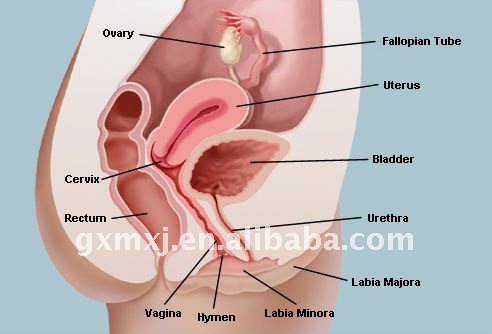
The vagina is a tube of muscle inside a woman’s body that runs from the cervix (the opening of the womb) to the vaginal opening. The external sex organs, which are called the vulva, surround the vaginal opening.
Looking after your everyday health can help keep your vagina in good shape, says Dr Suzy Elneil, consultant in urogynaecology at University College Hospital, London, and spokesperson for Wellbeing of Women.
“Generally, good vaginal health is maintained by making sure you’re in good general health,” she explains. “This includes healthy diet and exercise. Normal exercise helps maintain good vaginal function, as walking and running helps the pelvic floor to tone up and helps ensure good general health.”
Find out more about having a healthy diet, exercise and keeping fit, and pelvic floor exercises.

THINGS YOU NEED TO KNOW ABOUT MENSTRUATION

What is menstruation?

Menstruation (men-STRAY-shuhn) is a woman's monthly bleeding. When you menstruate, your body sheds the lining of the uterus (womb). Menstrual blood flows from the uterus through the small opening in the cervix and passes out of the body through the vagina. Most menstrual periods last from 3 to 5 days.

What is the menstrual cycle?

When periods (menstruations) come regularly, this is called the menstrual cycle. Having regular menstrual cycles is a sign that important parts of your body are working normally.
The menstrual cycle provides important body chemicals, called hormones, to keep you healthy. It also prepares your body for pregnancy each month. A cycle is counted from the first day of 1 period to the first day of the next period. The average menstrual cycle is 28 days long. Cycles can range anywhere from 21 to 35 days in adults and from 21 to 45 days in young teens.
The rise and fall of levels of hormones during the month control the menstrual cycle.